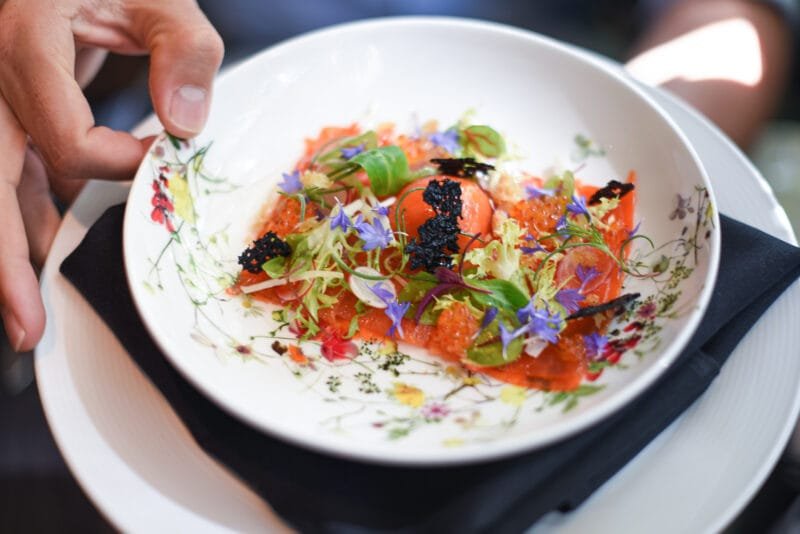
Food inspires everything we do at The Dining Traveler. We recognize that one of the main reasons we travel is for the food. While iconic landmarks and famous attractions still draw visitors, many travelers now plan entire trips around regional specialties, local markets, family-owned restaurants, and culinary experiences.
The United States offers one of the world’s most diverse food landscapes. From New York’s classic delis and Chicago’s deep-dish pizza to Texas barbecue, Louisiana gumbo, New England seafood, and California’s farm-to-table cuisine, every region tells its story through food.
Yet finding those memorable dining experiences often requires more than simply arriving at a destination. Modern food travel depends heavily on digital tools that help travelers discover hidden gems, navigate unfamiliar cities, read reviews, make reservations, and share experiences in real time.
Whether you’re planning a dedicated food tour or simply want to eat well while traveling across the United States, having the right digital travel toolkit can significantly improve your experience.
Why Technology Has Become Essential for Food Travel
Not long ago, travelers relied on guidebooks and recommendations from hotel staff. While those sources still have value, today’s food landscape changes rapidly.
Restaurants open and close frequently. Menus evolve. New neighborhoods emerge as culinary hotspots. Food trucks move locations. Seasonal events appear throughout the year.
Digital tools help travelers stay informed and make better decisions on the go.
A modern food-focused trip often involves:
- Finding highly rated local restaurants
- Booking tables in advance
- Navigating unfamiliar neighborhoods
- Discovering local food festivals
- Comparing menu options
- Reading recent reviews
- Tracking dietary preferences
- Sharing recommendations with travel companions
Without reliable access to information, travelers may miss some of the most memorable culinary experiences a destination has to offer.

Reliable Mobile Connectivity Comes First
Before discussing apps and platforms, it’s important to address the foundation of any digital travel toolkit: internet access.
Many food experiences happen spontaneously. You might receive a recommendation from a local, spot a popular café while walking through a neighborhood, or decide to visit a food market across town.
Without reliable connectivity, even the best travel apps become significantly less useful.
International visitors often research eSIM data plans for USA travel before departure to ensure they can access maps, restaurant reviews, reservation platforms, and transportation services immediately upon arrival.
Having dependable mobile data eliminates the stress of searching for public Wi-Fi every time you need directions or want to check a restaurant’s opening hours.
Navigation Apps That Help You Find Local Favorites
Google Maps
Google Maps remains one of the most useful tools for food travelers.
Beyond navigation, it provides:
- Restaurant reviews
- Popular visiting times
- Photos of dishes
- Menu information
- Reservation links
- User-generated recommendations
Many travelers build custom food maps before a trip, saving restaurants, bakeries, cafés, and markets they want to visit. Check out my Puerto Rico Google map for my favorites.
Apple Maps
Apple Maps has improved significantly in recent years and now offers curated restaurant guides in many major American cities.
For iPhone users, it integrates seamlessly with other travel planning tools.
Offline Maps
Even with mobile connectivity, downloading offline maps can be helpful when traveling through rural regions, national parks, or areas with inconsistent coverage.
Restaurant Discovery Platforms Worth Using
Yelp
Despite the rise of newer platforms, Yelp remains highly influential in many U.S. cities.
It often provides:
- Detailed customer reviews
- Photos from recent visitors
- Information about wait times
- Insights into local favorites
While reviews should never be treated as the absolute truth, they can help identify patterns regarding service, food quality, and atmosphere.
OpenTable
For travelers visiting popular dining destinations such as New York, San Francisco, Chicago, or Miami, OpenTable makes reservation management significantly easier.
Benefits include:
- Instant bookings
- Waitlist management
- Dining availability comparisons
- Reservation reminders
We highly recommend making reservations when planning your trip, as tables can book up quickly at some hotspots.
Resy
Resy has become increasingly popular among food enthusiasts seeking access to highly regarded restaurants.
Many sought-after dining experiences now use Resy as their primary booking platform. If you’re an American Express holder, Resy has promotions for restaurants and culinary events.
Social Media as a Discovery Tool
Social media has transformed how travelers discover restaurants.
Many travelers now search visually before deciding where to eat.
Instagram helps users:
- View recent food photos
- Assess restaurant atmosphere
- Discover local food influencers
- Find trending dining spots
The platform is particularly useful when visiting cities with rapidly changing food scenes.
TikTok
TikTok has become a surprisingly powerful restaurant discovery engine.
Short videos often reveal:
- Hidden local gems
- Neighborhood favorites
- Specialty dishes
- Seasonal food events
However, travelers should remember that viral popularity does not always equal quality. TikTok does have a great search function which is great to look up restaurants and city guides.
The most memorable meals are often found in less-publicized establishments.
Food Apps for Specialty Experiences
HappyCow
For vegetarian and vegan travelers, HappyCow offers an extensive directory of plant-based dining options across the United States.
Eater
Eater highlights culinary culture across the United States through restaurant reviews, chef profiles, and critiques of the U.S. food scene.
The platform highlights:
- Local maps focusing on specific cuisines
- Chef interviews
- Family-run establishments
- Insider reviews from local journalists.
Eater is a great tool to get the pulse of the restaurant scene across the United States.
Michelin Guide
Although Michelin coverage remains limited to certain U.S. regions, the guide offers valuable recommendations for travelers interested in fine dining and notable culinary destinations.
Digital Tools for Dietary Preferences
Dietary restrictions no longer need to complicate travel.
Several apps help travelers identify suitable restaurants.
Allergy and Dietary Apps
Travelers managing allergies can use specialized apps to:
- Locate allergy-aware restaurants
- Review ingredient information
- Communicate dietary requirements
- Also check out blogs like ours that have vegetarian guides.
Translation Tools
Although English is widely spoken throughout the United States, translation apps like Google Translate remain useful for international visitors who may feel more comfortable reading menus or communicating dietary concerns in their native language.
Mobile Payment and Budget Tracking Apps
Food expenses can quickly become one of the largest travel costs.
Budgeting apps help travelers monitor spending while still enjoying local culinary experiences.
Useful tools include:
- Revolut
- Wise
- Splitwise
- Trail Wallet
- Expensify
These platforms simplify expense tracking, especially during group trips.
Keeping Travel Plans Organized
Food-focused itineraries can become surprisingly complex.
Travelers often juggle:
- Restaurant reservations
- Food tours
- Market visits
- Cooking classes
- Transportation schedules
Organization tools can help keep everything manageable.
Google Keep
Simple and effective for maintaining restaurant wish lists and travel notes.
Notion
Ideal for travelers who enjoy detailed planning.
Users can create:
- Restaurant databases
- Daily itineraries
- Reservation trackers
- Budget summaries
TripIt
TripIt consolidates travel information into a single itinerary, reducing the need to search through multiple emails.
Capturing and Sharing Food Experiences
Part of the joy of food travel comes from documenting discoveries.
Photography Apps
Even smartphone cameras can produce impressive food photography when paired with basic editing tools.
Popular options include:
- Snapseed
- Lightroom Mobile
- VSCO
- InShot for Video Editing
Simple adjustments to lighting and contrast can significantly improve photos without making them appear artificial.
Digital Journaling
Many travelers maintain digital food journals to record:
- Favorite meals
- Hidden gems
- Local recommendations
- Culinary discoveries
These records often become valuable references for future trips.
Balancing Technology and Authentic Experiences
While digital tools can greatly enhance travel, they should not dominate the experience. Some of the most memorable food discoveries happen unexpectedly. A local resident’s recommendation, a crowded neighborhood bakery, or a family-owned restaurant without a social media presence may provide a more authentic experience than a highly ranked online listing. Technology works best when it supports exploration rather than replacing it. Travelers should remain open to spontaneity and curiosity, even while relying on digital resources.
Building Your Personal Food Travel Toolkit
Every traveler has different priorities.
Some focus on fine dining experiences. Others prefer street food, local markets, regional specialties, or hidden neighborhood cafés.
A well-rounded digital toolkit typically includes:
- Reliable mobile connectivity
- Navigation apps
- Restaurant discovery platforms
- Reservation tools
- Budget management apps
- Travel organization software
- Photography and journaling tools
The exact combination depends on travel style, budget, and personal interests.
Final Thoughts
The United States’ food landscape is vast, diverse, and constantly evolving. Exploring it successfully often requires more than simply choosing a destination—it requires access to timely information, navigation tools, local recommendations, and reliable connectivity.
The right digital travel toolkit can help travelers uncover hidden culinary gems, avoid common frustrations, and make the most of every meal along the journey.
While technology can never replace the excitement of discovering an incredible restaurant by chance, it can make those discoveries easier to find and more enjoyable to experience. By combining practical digital tools with a willingness to explore, travelers can enjoy a richer and more rewarding journey through America’s remarkable food destinations.