A couple of years ago, my husband and I traveled to Sicily for the Dining Traveler’s 10th wedding anniversary festivities. It was quite the fete, and we had the best time exploring Sicily. Afterward, we decided to venture even farther south, to Malta. We discovered we could take a two-hour ferry from Sicily to Malta, so we booked our tickets and set off for a small-island adventure in Malta! Here’s our Malta travel guide with all the things we loved from our trip.
How to Get to Malta
You can fly directly into Valetta, Malta, or take a ferry from several ports in Italy, which we did. The ferry from Sicily to Malta is super comfortable and fun; it has views of the islands and a snack bar with chips, hummus, sandwiches, and any drink you heart desires! It was a great start to our small-island adventure in Malta.
Where to Stay
66 St. Pauls: For a small, intimate hotel in the city center, I highly recommend 66 St. Paul’s. The hotel is an updated 17th-century palazzo, and while the rooms are small, they come with all the modern luxuries, including Nespresso machines. The hotel offers a great breakfast in the courtyard, complete with fresh breads, fruits, cheeses, eggs, croissants, and make-your-own-mimosas. It’s walking distance from many of the city’s must-see spots, and provided the perfect landing spot for our small island adventure in Malta.
What to Do
Malta is easy to navigate; keep in mind that the narrow streets make driving difficult, so you may want to just use public transportation and Bolt, the local rideshare. You can easily download the Bolt app onto your phone.
Tour Valetta
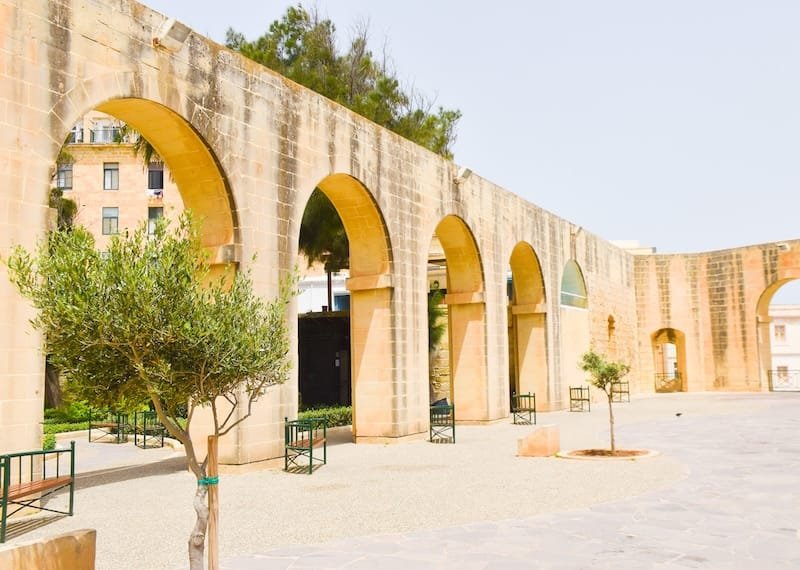
Valetta is an utterly charming city and at the heart of any small-island adventure in Malta. The cobblestone streets are lined with restaurants, bars, and shops, and the city’s historic charm and epic ocean views make it ideal for a self-guided walking tour.
Begin your tour of Valetta at the Upper Barrakka Gardens, located high on the bastions overlooking the Grand Harbor. These terraced gardens offer breathtaking panoramic views across the water to the Three Cities—Vittoriosa, Senglea, and Cospicua—historic fortified communities that played a crucial role in Malta’s maritime history. Arrive on the hour if you can to witness the firing of the noonday gun, a tradition dating back to the days when ships in the harbor set their chronometers by the cannon’s report.
From there, make your way to St. John’s Co-Cathedral, one of Europe’s most ornate baroque churches. Don’t let the austere exterior fool you—step inside to discover an explosion of gilt, marble, and artistry. The cathedral’s floor is entirely covered with elaborate marble tombstones of Knights of Malta, each a work of art in itself. The highlight for many visitors is the Oratory, which houses two masterpieces by Caravaggio.
Next, stroll toward the entrance of the city. You’ll pass the iconic Triton Fountain, a striking 1959 bronze sculpture of three muscular Tritons supporting a large basin. Just beyond lies City Gate, Renzo Piano’s controversial modern redesign that opened in 2014, providing a dramatic contemporary entrance to this World Heritage city.
Visit the beach!
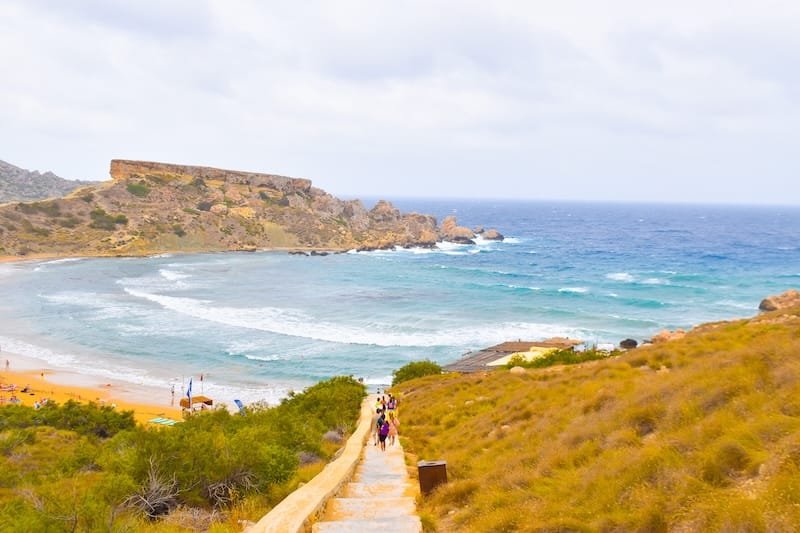
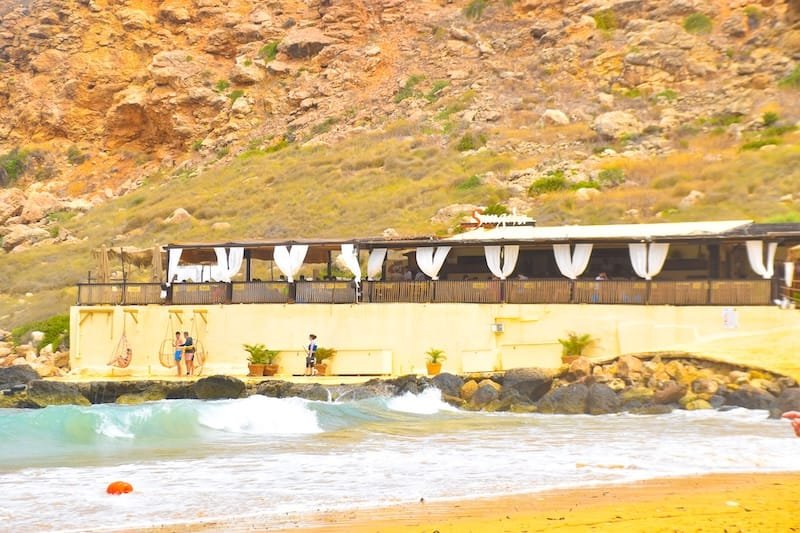
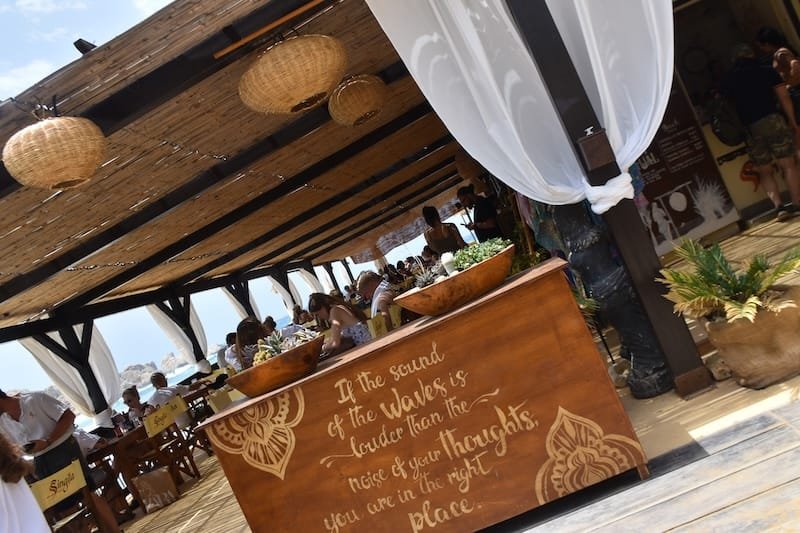
There are many popular beaches in Malta; our favorite by far was Singhita Miracle Beach. You can take a bus or rideshare to the beach, and upon arrival, there is a long winding set of stairs down to the sand. Grab a spot for the day, spread out, and relax – the waters are an irresistible aquamarine blue, perfect for swimming and strolling along the shore. When you are hankering for a snack or a beverage, walk over to the delightful Singhita Restaurant, which is a cliffside joint where you can indulge in pizza, sandwiches, and beers while the breeze wafts through your hair.
Tour Mdina and Rabat
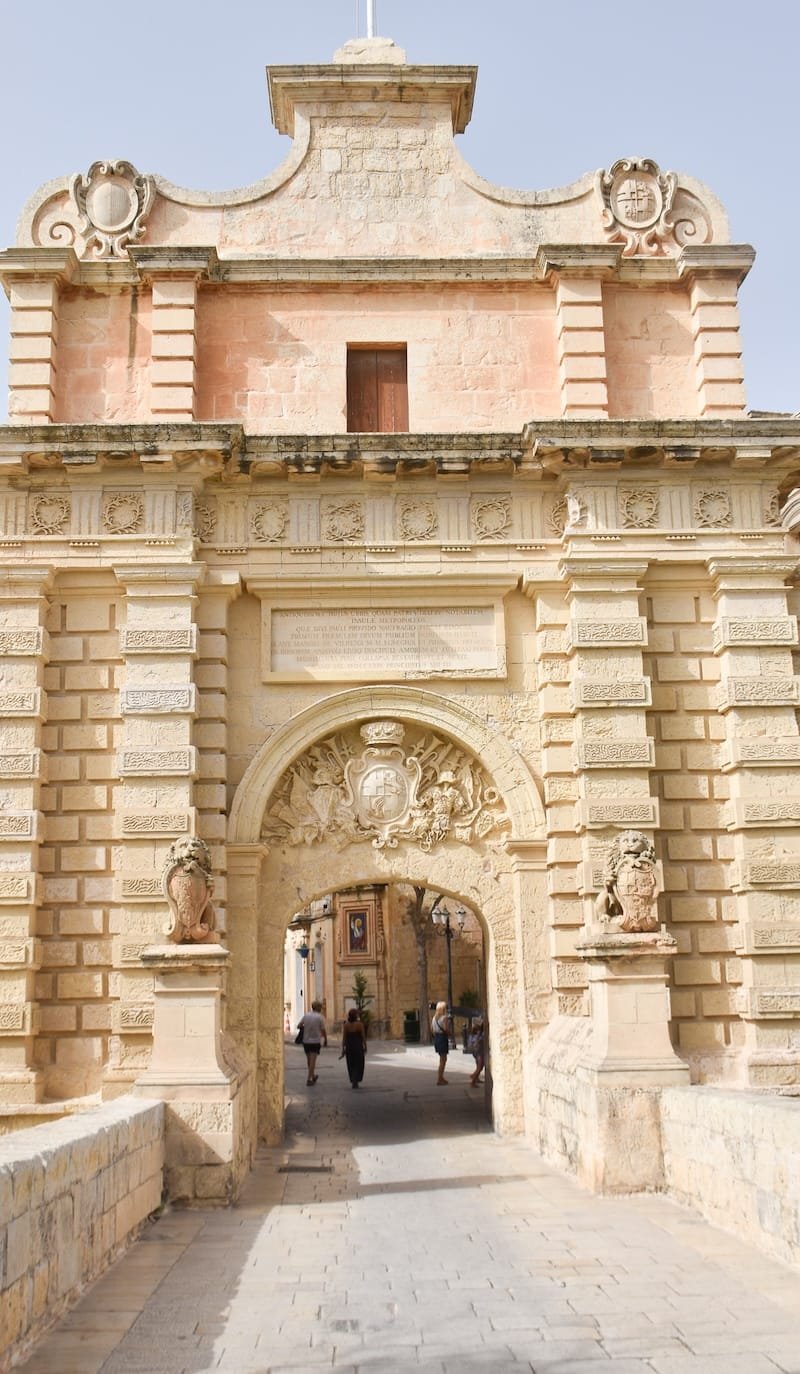
In the western part of Malta is Mdina, a medieval fortified city, which used to be the country’s capital. Perched on a hilltop in the center of the island, this enchanting city seems frozen in time, with narrow winding streets, honey-colored limestone buildings, and an atmosphere of tranquil nobility. Mdina adjoins Rabat, another medieval city. There are a number of tour companies offering walking tours of both Mdina and Rabat; I used Color My Travel, which was informative, well-organized, and affordable. The tour began in Mdina at the main gate, a baroque masterpiece built in 1724. You will feel like you have stepped back centuries as you enter the city. Cars are restricted within the city walls, allowing only residents to drive through the alleyways. The tour led us past aristocratic palaces adorned with ornate doorways, brass doorknockers, and coats of arms representing Mdina’s noble heritage. At the heart of the city is St. Paul’s Cathedral, an architectural jewel built in the late 17th century. The cathedral’s interior dazzles with its marble floors, frescoed dome depicting scenes from St. Paul’s life, and intricate carved stonework.
Next, we walked to the bastions for stunning panoramic views across the island—on clear days, you can see all the way to the coast. We continued meandering through the streets, peeking into hidden courtyards, and from there went on to Rabat, where we first visited St. Paul’s Catacombs, one of the most prominent features of Malta’s early Christian archaeological heritage. This extensive underground cemetery complex dates back to the third century A.D. and provides a haunting glimpse into early Christian burial practices. Nearby, we stopped at St. Paul’s Grotto, traditionally believed to be where the apostle Paul took shelter after his shipwreck on Malta in 60 A.D. The grotto lies beneath the Church of St. Paul, and pilgrims have been visiting this sacred site for centuries.
Where to Eat in Malta
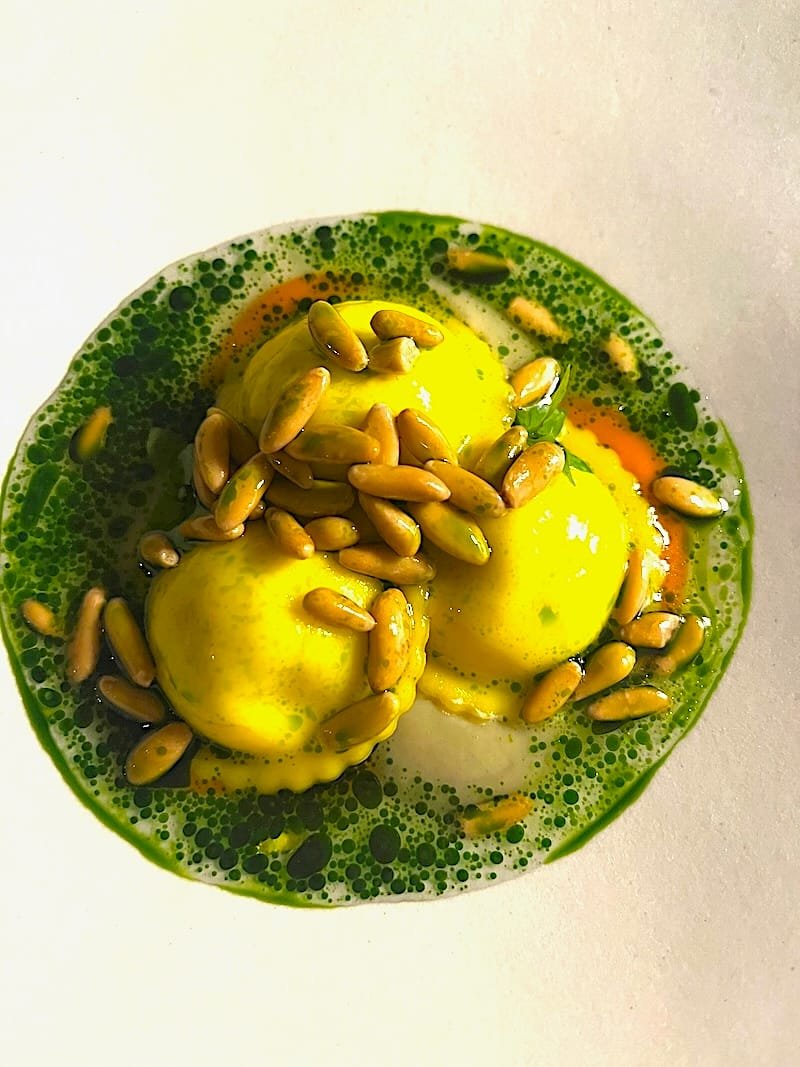
Noni: For a sensational fine-dining experience, I cannot recommend Noni highly enough. The intimate dining room was once a bakery, then a jazz bar, and now a Michelin-starred restaurant. There are two tasting menus, a longer one and a shorter one – you may as well take the longer one; you only live once! A must when planning your trip to Malta.
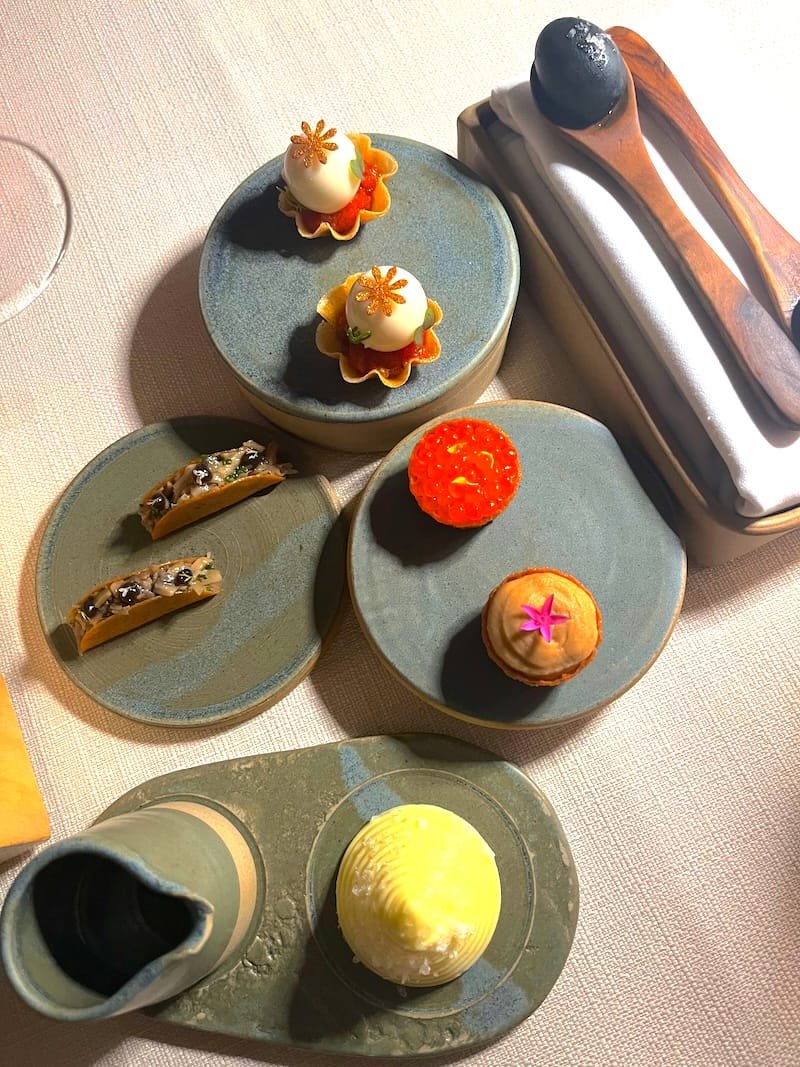
Legligin: To partake in a dining experience where you can sample local specialties, this cozy gem of a restaurant is where you should go. We loved the warm squash soup, the stuffed eggplant, the local cheese, the fresh pastas, the fruity olive oil – there was nothing not to love! The local focus extends to the wine list, which prides itself on representing every wine region on Malta’s various islands.
Terrone Birgu: Many places across Malta serve stellar seafood, but few do it in such a spectacular setting as Terrone Birgu. Dining in the caves beneath the old city walls feels like an adventure, but the outdoor patio overlooks the port and the ancient aqueduct, so it may be hard to choose between indoor and outdoor tables. Whichever you pick, make sure at least one course features one of the fresh-caught fish that they’ll prepare to order in a traditional Maltese manner.
Casa Sotto: Pinsa is Malta’s take on Roman pizza, and you must try it at least once if you’re visiting the island. The pinse comes in many variations at the simple cafes that specialize in them, but Casa Sotto is one where the locals go if they have a craving.
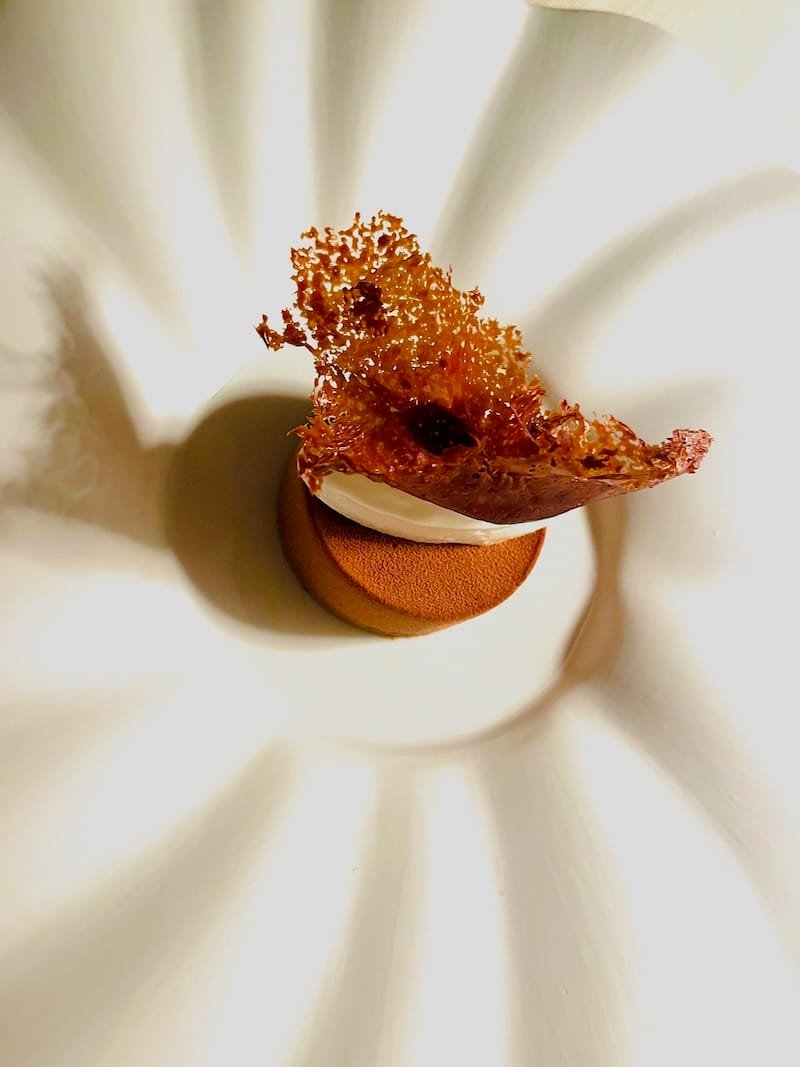
The Verdict
Our getaway to Malta was a resounding success, offering the perfect blend of rich history, stunning coastlines, and unforgettable food!