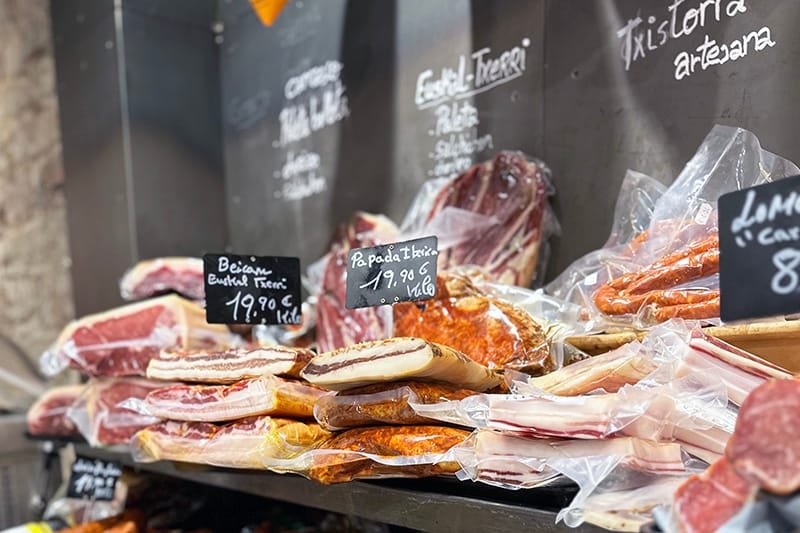
According to the World Food Travel Association, more than 80% of leisure travelers research food and drink experiences before booking a trip.
In Europe, where culinary traditions are deeply tied to local identity, choosing a destination often starts with one question: what are we going to eat?
But the best foodie cities aren’t necessarily the ones with the most Michelin stars. They’re the places where markets spill into neighborhood streets, where locals linger over long lunches, and where staying in the right district can completely change your experience. From pintxos bars in northern Spain to family-run trattorias in Italy, these European cities reward travelers who want to eat like locals rather than simply check restaurants off a list.
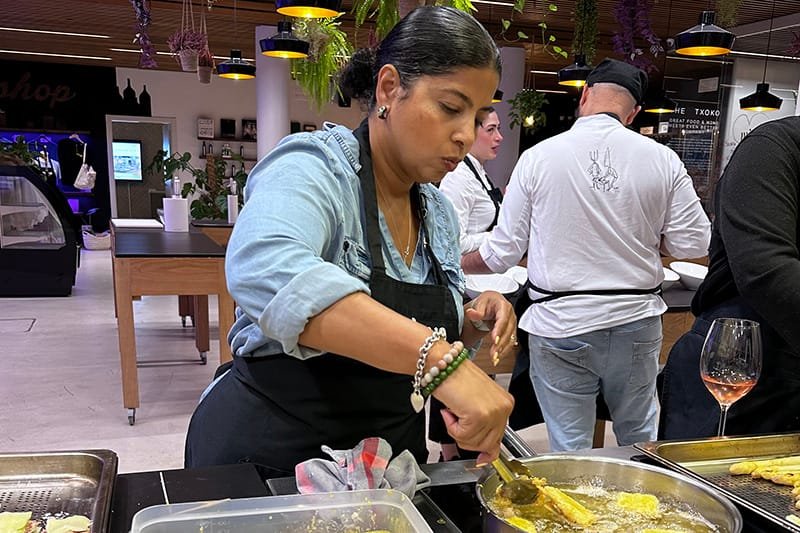
San Sebastián, Spain
For many food lovers, San Sebastián delivers the ideal balance between high-end dining and everyday culinary culture. The Basque city has one of the highest concentrations of Michelin-starred restaurants per capita in the world, yet some of its best meals are still served casually across crowded bar counters.
The real magic happens in Parte Vieja, the Old Town, where hopping between pintxos bars becomes an evening ritual:
- One bar specializes in grilled seafood;
- Another in jamón ibérico;
- Another in creamy Basque cheesecake.
Trying only one place is a common mistake first-time visitors make. In San Sebastián, variety is part of the experience.
Where you stay matters more than many travelers expect. Being able to walk between Old Town, La Concha Beach, and local markets makes spontaneous dining much easier, especially during busy evenings when taxis are limited. Travelers planning a food-focused getaway often look for centrally located hotels in San Sebastián to explore the city’s pintxos scene on foot without constantly having to navigate transportation.
Lyon, France
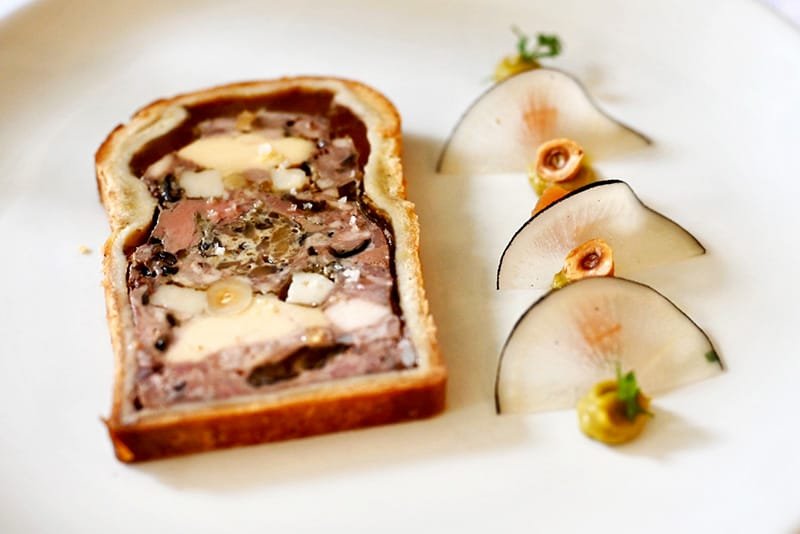
Paris may dominate food headlines, but Lyon remains France’s most satisfying city for travelers who care about regional cooking. The city’s famous bouchons (small traditional restaurants serving dishes like quenelles, slow-cooked beef, and pâté en croûte) still feel rooted in local culture rather than tourism.
One advantage Lyon has over larger capitals is accessibility. Many of the city’s best dining experiences are concentrated within walkable neighborhoods like Vieux Lyon and Presqu’île. Even simple lunches often feel deeply tied to the region’s identity.
Food markets are equally important here. Les Halles Paul Bocuse offers a practical introduction to regional cheeses, charcuterie, and Rhône Valley wines without requiring a fine-dining budget.
Bologna, Italy
Bologna rarely feels performative, which is part of its appeal. While cities like Rome and Florence can become crowded around major tourist zones, Bologna still revolves around local routines. Fresh pasta shops open early, university students fill cafés at lunch, and long dinners remain central to daily life.
This is the birthplace of:
- Tagliatelle al ragù,
- Tortellini in brodo,
- And mortadella, as Italians actually eat it.
Travelers expecting oversized “spaghetti bolognese” often discover something much richer and more nuanced. One of the smartest ways to experience Bologna is to slow down rather than overschedule restaurant reservations. Some of the city’s best meals happen in understated trattorias with handwritten menus and no social media presence.
Copenhagen, Denmark
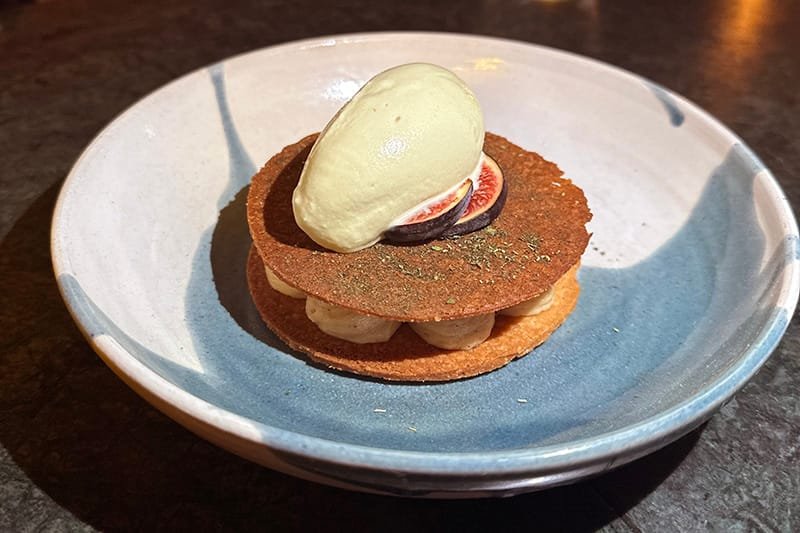
Copenhagen transformed itself into one of Europe’s most influential culinary cities over the last two decades. While fine dining helped establish its reputation, the city’s broader food culture is what makes it rewarding for travelers today.
Neighborhood bakeries, seasonal tasting menus, sustainable seafood, and natural wine bars all contribute to a dining scene that feels modern without losing its Scandinavian identity.
Unlike southern European food cities built around long-established traditions, Copenhagen appeals to travelers interested in innovation. It’s also one of the easiest cities in Europe to navigate without rigid planning, thanks to its cycling infrastructure and compact layout.
Why Food Travelers Should Think Beyond Restaurants
The most memorable culinary trips rarely come from booking the “best” restaurant in a city. They come from understanding how locals eat: morning market visits, neighborhood wine bars, late-night bakeries, and long meals that stretch across entire afternoons.
That’s also why choosing the right neighborhood matters. Staying near local dining hubs often creates a more immersive experience than staying beside major tourist landmarks. In cities like San Sebastián or Bologna, wandering without an itinerary often leads to the best meals of the trip.