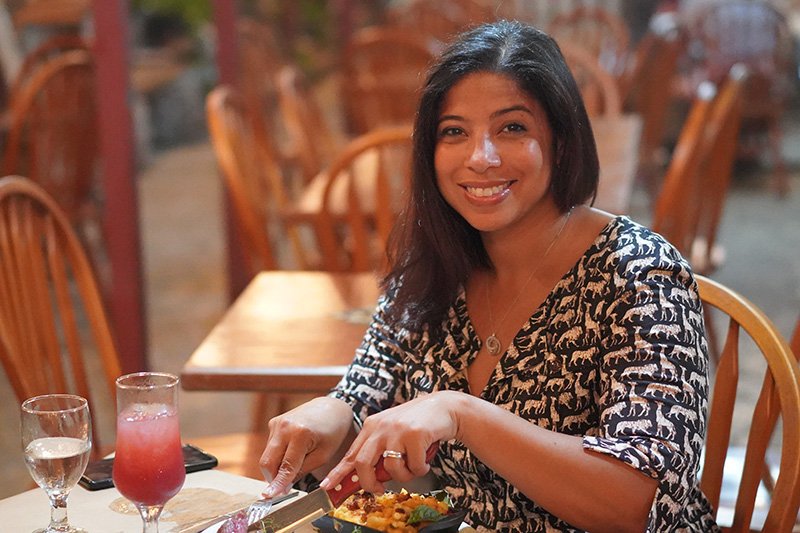
Some trips are planned around museums and some around beaches, but for me, they’re planned around a great meal. A morning bakery crawl in Paris might be followed by a bowl of khao soi in Chiang Mai a week later, followed by a night market in Taipei where dinner arrives in six or seven small installments. On my latest trip to Peru, my itinerary centered around restaurant reservations. That puts real pressure on a digestive system used to a predictable week of home cooking (eating at home is how I save money for travel), with richer food, later dinners, a few extra glasses of wine, and a body clock still running on another time zone.
Pack a Few Gut-Friendly Basics
A little preparation before departure helps the stomach keep pace with the itinerary. Have you tried prebiotics? Prebiotic fiber gummies are an easy addition to the bag, since they need no water or refrigeration and fit into the same time slot each morning, no matter what the hotel breakfast looks like. Like many women my age, we’re prioritizing protein, but we forget about fiber, especially while traveling. Fiber tends to be the first thing to drop off a menu built around pastries, grilled meats, and fried snacks. Having a steady source on hand lets travelers say yes to the local specialties and still look forward to the next meal.
Start Before You Leave
A happy gut on vacation begins at home. In the days before your trip, aim for balanced meals with fiber, protein, healthy fats, and plenty of fluids. Hydration is especially important if you’re taking a long flight! Avoid making dramatic diet changes right before departure, especially if you are flying long distance. Your digestive system likes routine, and you don’t need an upset tummy on your flight from New York to Tokyo!
It is also smart to research the local cuisine. If you know a destination is famous for fried foods, dairy-heavy dishes, spicy sauces, or large portions, you can plan lighter meals around the big ones. This does not mean skipping the foods you came for. I personally plan my big meals or tasting menus for lunch. This gives me time to go for a long walk after my decadent meal to help me digest better. You can also get better prices on lunch tasting menus at many Michelin-starred restaurants.
Hydrate More Than You Think
Travel often dehydrates you without you noticing. Airplanes, hot weather, salty restaurant food, walking tours, and alcohol can all increase fluid needs. Dehydration can contribute to constipation and fatigue, which makes food adventures less enjoyable. Dining Traveler Tip: drink your first liter of water in the morning as you get ready and have breakfast.
Carry a refillable water bottle and sip throughout the day rather than trying to catch up all at once. If you are sweating a lot or drinking alcohol, consider adding an electrolyte drink occasionally. Herbal tea, broth-based soups, and water-rich fruits can also help support hydration.
Pace Your Eating
When every café, food truck, and restaurant looks tempting, it is easy to eat past comfort. One useful strategy is to plan “anchor meals.” Pick a restaurant that you’re excited about for lunch or an early meal and eat lighter for your other meals.
For example, if dinner is a multi-course tasting menu, breakfast could be yogurt with fruit or eggs with toast, and lunch could be a light salad or soup. If you are spending the morning sampling pastries, consider a protein-forward lunch. This approach lets you enjoy indulgent foods without stressing your gut all day long.
Prioritize Fiber, But Increase Slowly
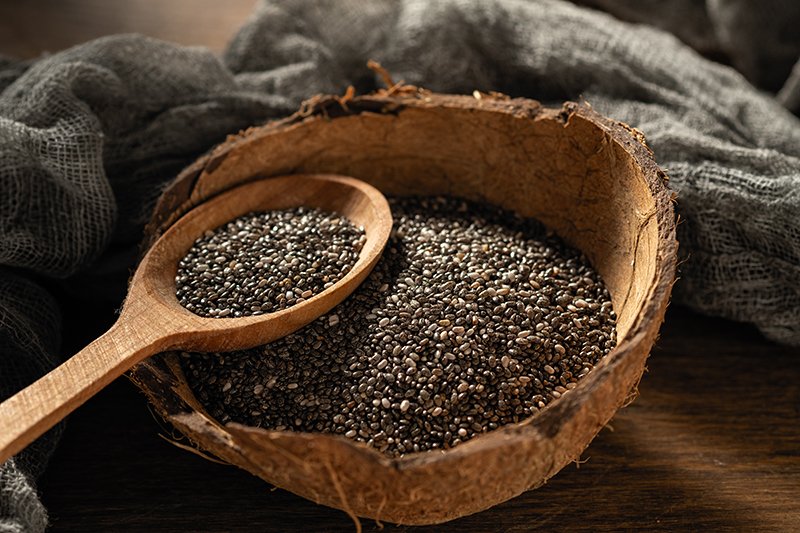
Fiber helps support regular digestion, but suddenly eating much more than usual can cause bloating or gas. I’ve started making chia water in a water bottle with a squeeze of lemon to get 10 grams of fiber throughout the morning. Chia seeds are also easy to pack, or you can buy them at many local supermarkets. I’ve bought them in many places, from Vienna to Lima! On a food-focused trip, look for easy ways to include fiber without overindulging. Choose vegetables as side dishes, snack on fruit (I love to stock up on local fruit at the hotel breakfast), add beans or lentils when they fit the cuisine, and pick whole grains when available.
If you are visiting a place where produce safety is a concern, choose cooked vegetables or fruits you can peel. This can facilitate digestion while decreasing the risk of foodborne illness.
Keep Moving
Walking is one of the simplest ways to help digestion while traveling. A gentle stroll after a big meal can help you feel more comfortable and energized. Food trips usually involve walking naturally, whether you are exploring markets or moving between neighborhoods; get your steps in! One of my favorite eating/walking cities is Paris. With an average of 20k steps, it’s one of the best walkable cities in the world!
You do not need intense workouts to benefit from movement. Ten to twenty minutes of walking after meals can make a noticeable difference. Stretching in the morning or evening can also help ease travel-related tension. I also love to look for local fitness studios for a yoga or Pilates class. Not only does it help you keep up your fitness routine, but you can also get great dining tips from locals in class.

Be Smart With Alcohol and Caffeine
Local wine, craft cocktails, espresso drinks, and late-night bars may be part of the experience, but both alcohol and caffeine can impact digestion. Alcohol may irritate the stomach and disrupt sleep, while too much caffeine can speed digestion. Think twice about that espresso after dinner if you’re struggling with jet lag!
Try alternating alcoholic drinks with water, and avoid drinking heavily on an empty stomach. With coffee, pay attention to timing. I’ve switched to herbal infusions after a big dinner instead of coffee, and I’ve noticed I’m sleeping much better!
Protect Your Sleep
Sleep and gut health are closely connected. Late dinners, time zone changes, and packed itineraries can all interfere with rest. Poor sleep may impact appetite, cravings, digestion, and energy the next day.
Give yourself at least a few slower mornings or earlier nights, especially after travel days. If you are crossing time zones, get morning sunlight, stay hydrated, and avoid very heavy meals right before bed when possible. I know it’s tempting to take a nap when you land, but you want to get your body accostumed to the local time.
Listen to Your Body
A food-focused trip should feel joyful, not punishing. If your body asks for a break, take one. Choose a simple meal, skip a snack stop, or spend an evening resting instead of squeezing in one more reservation.
The best travel memories come from feeling present enough to enjoy them. By staying hydrated, pacing indulgences, moving daily, sleeping well, and keeping some familiar routines, you can give your gut what it needs while still tasting everything that makes your destination special.