Australia can be overwhelming for first-time visitors, with so much to see and do. Some imagine endless red deserts, while others think only of beaches and city skylines. The reality is a mix of landscapes that change as you travel. From dry plains to tropical forests and long coastlines, each area has its individual history. The real adventure starts when you take your time and see how these places fit together.
Being well-informed during long-distance travel helps with route planning, weather, and local stops. Many travelers now rely on an Australia esim for mobile data instead of physical cards. This option gives access to maps and travel tools nationwide without extra hassle. For those covering large distances, having local data service can make the trip experience far more organized and relaxed.
The Outback Shows the True Heart of Australia
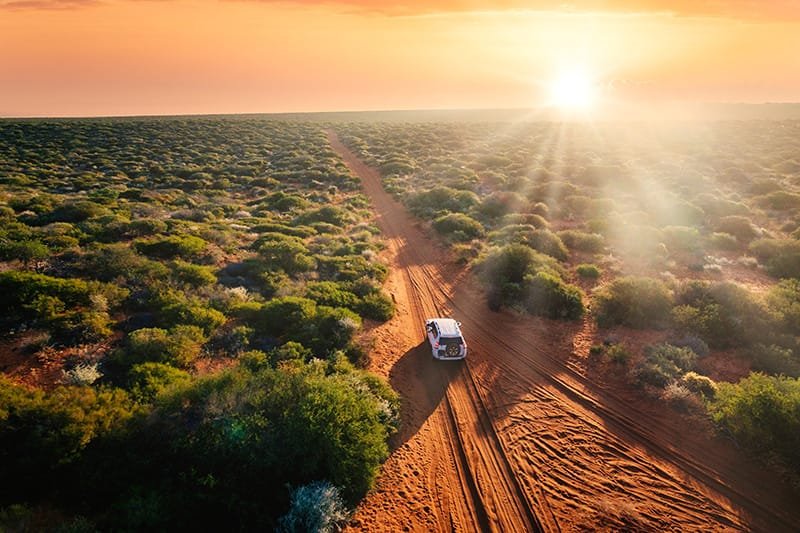
The Outback forms the center of the nation and holds deep meaning in Australian culture. Wide skies stretch across red earth, broken by rocky hills and dry river paths. Life here follows the land and the seasons. With small towns far apart, you need to plan ahead to ensure you have services, lodging, and food while on the road.
Visitors who explore this region of Australia will get a feel for how nature shapes the local lifestyle. Local guides share stories tied to ancient traditions that still influence daily life. The Outback encourages patience, awareness, and respect for distance and climate.
What to See in the Australian Outback
- Uluru, a sacred rock formation with strong cultural value
- Kings Canyon, known for its steep cliffs and rim walks
- Coober Pedy, a mining town where many homes sit underground
Each of these sites offers a different perspective on the Outback, enriching the experience.
Desert Skies and Star-Filled Evenings
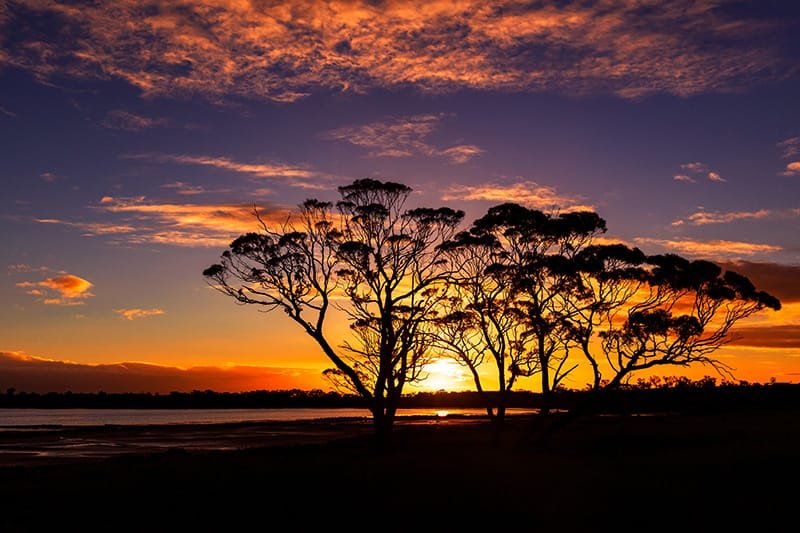
As daylight fades in the interior, the land becomes calm and quiet. With very little city light, the night sky opens wide. The stars shine brightly in a way that we don’t get to see back home. With so little light pollution, you can see stars and constellations that you’ve never seen before. Around campfires, travelers listen to stories passed down through generations and feel closer to the true Australian culture.
Guided evening tours help visitors understand how constellations guided early navigation and seasonal movement. Also, newcomers to outdoor travel can enjoy this safely with trained hosts and professionally planned campsites.
Tropical Trails of the Far North
Northern Queensland brings a clear change in scenery. Thick rainforests replace dry plains, and waterfalls pour into refreshing natural pools. The surroundings feel warm and full of life. Walking paths twist through tall trees where birds, insects, and flowing water fill the space with sound.
Places like the Daintree Rainforest and Mossman Gorge offer simple walks for beginners and longer trails for adventurous hikers. These areas feel still yet lively at the same time. After the dry Outback, the green shade and flowing streams deliver a refreshing shift of scenery.

Coastal Life and the Pull of the Sea
Australia’s coastline stretches for thousands of miles and shapes much of daily life near the water. Waves roll onto sandy beaches while rocky cliffs rise above the surf in other areas. The Great Barrier Reef hugs the eastern coast of the continent with a rich marine life perfect for snorkeling and diving. Some coastal towns like Byron Bay are laid back, while others, like Brisbane, move at a lively pace, filled with surf culture and seaside markets.
Beach walks at sunrise, calm bays for swimming, and long stretches of sand for relaxing all form part of coastal life. The ocean goes beyond being a view here. It is part of routine, work, and recreation for many communities.
Cities That Add Comfort and Culture
Between long drives and nature-filled days, Australia’s cities offer culture, great food, and an inviting environment. Sydney brings harbor walks, fresh markets, and open public spaces. Melbourne is known for food streets, art lanes, and live performances. Perth blends river views with a relaxed coastal vibe, as it’s in Western Australia.
Also, while moving around cities, digital access plays a quiet role in city travel. Many visitors use an Australia esim to stay on track with transit directions, online bookings, and local searches while moving between urban stops. Having data connectivity makes it easier to manage daily plans as you shift between busy streets and quiet natural zones.
Wildlife Encounters Across the Land
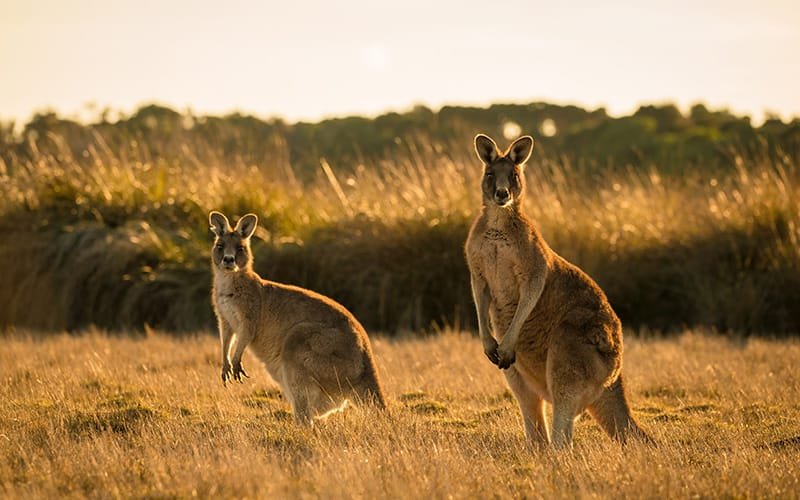
Australia’s unique wildlife draws tourists from all over the world. Kangaroos can be seen moving across open plains, and Koalas rest high in eucalyptus trees. Many conservation farms allow visitors to learn more about Australia’s endemic species. Along some southern shores, small penguins return to land at dusk. Wildlife parks and protected zones allow safe viewing without disturbing natural behavior.
The best rule is distance and patience. Watching animals in their natural space protects their routines and keeps visitors safe. Guided outings offer a responsible way to observe rare species while learning how conservation fosters enduring balance.
If you plan in advance, an Australian trip is a remarkable memory with its ecodiversity, beautiful scenery, and colorful wildlife. Each sunrise over open land, each roadside stop, and each coastal walk adds meaning to the path. By the end of the trip, visitors develop a stronger respect for the land and the people who live alongside it.